CDIC President Calls for Stronger Government Engagement, Institutional Partnerships and Diaspora-Led Investment at the Impact Africa Business & Investment Summit in London
London, United Kingdom | 29 October 2026
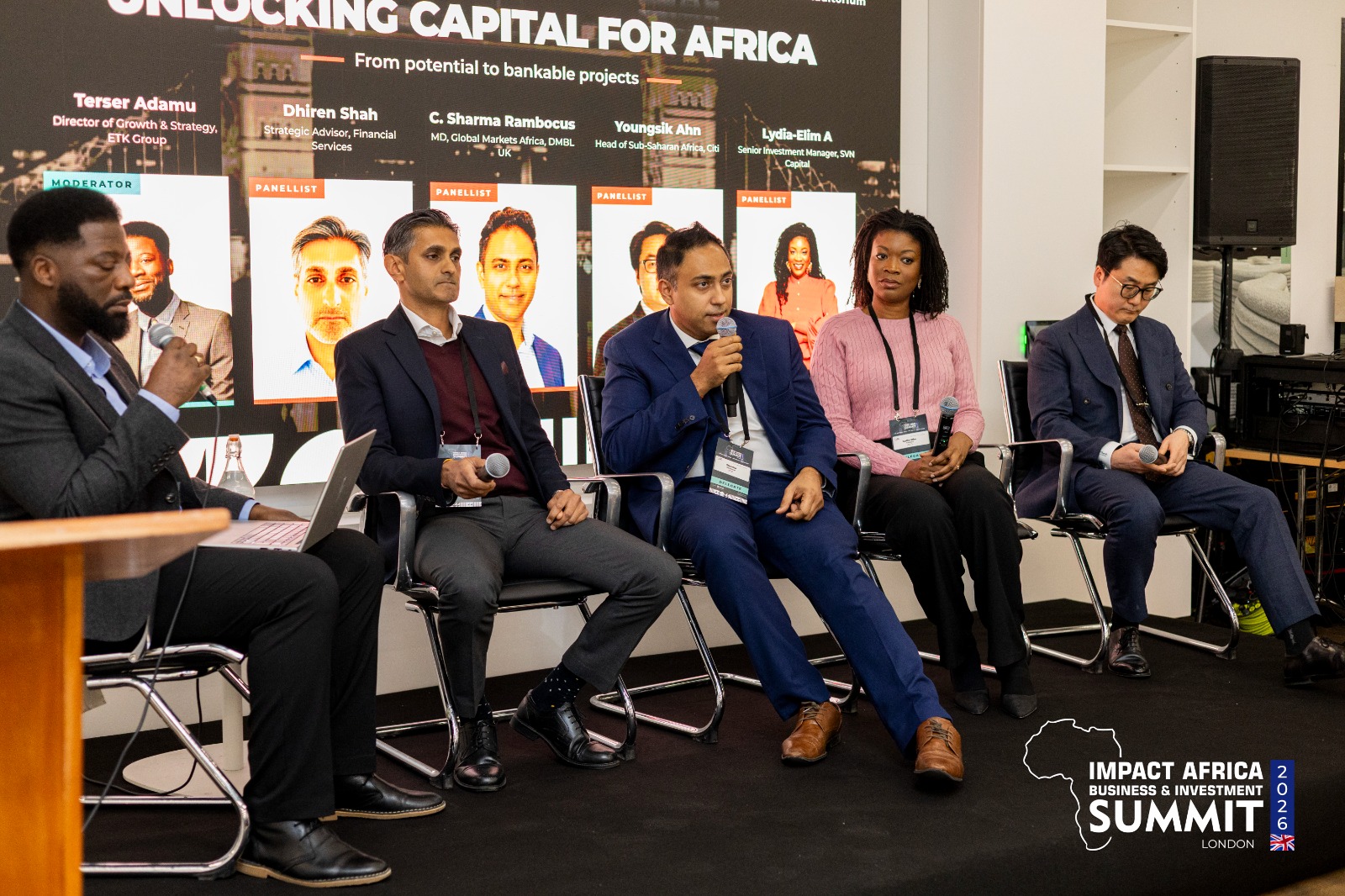
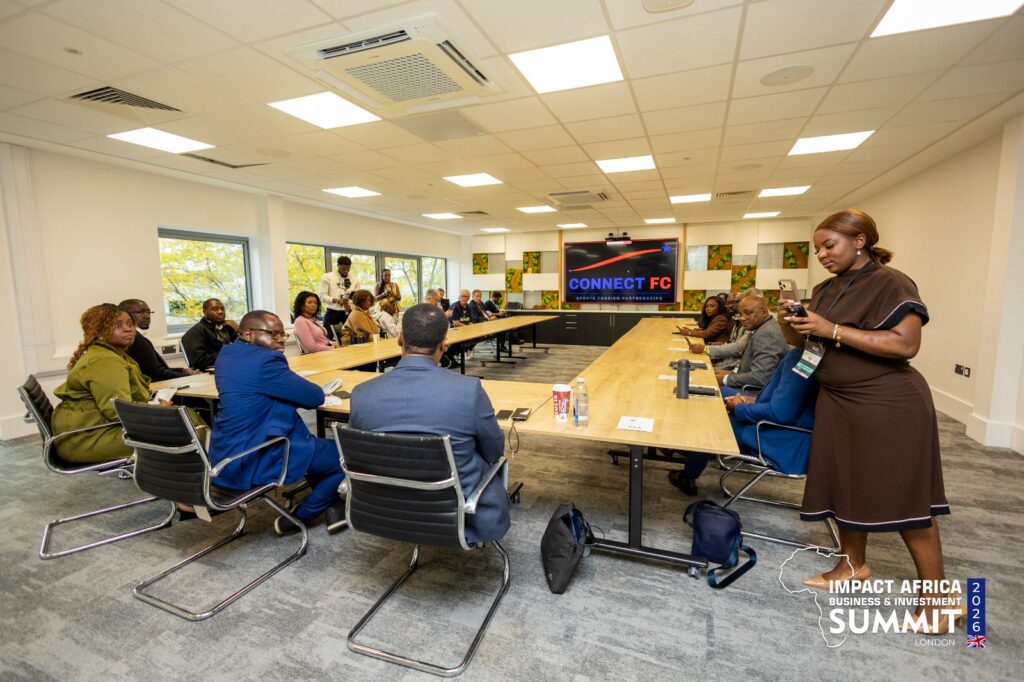
The Cameroonian Diaspora Investment Council (CDIC) represented Cameroon at the Impact Africa Business & Investment Summit 2026, held at the University of East London on 29 October. The gathering brought together investors, business executives, project developers, financial professionals and African leaders to examine how the continent can attract productive investment, strengthen its industries and benefit more fully from the expertise of Africans living abroad.
Convened by Impact Africa Business in partnership with the University of East London, the summit took place under the theme “Building the UK–Africa Business & Investment Corridor.” Discussions addressed access to investment capital, manufacturing, infrastructure, mineral processing, artificial intelligence, digital innovation and commercially viable projects.
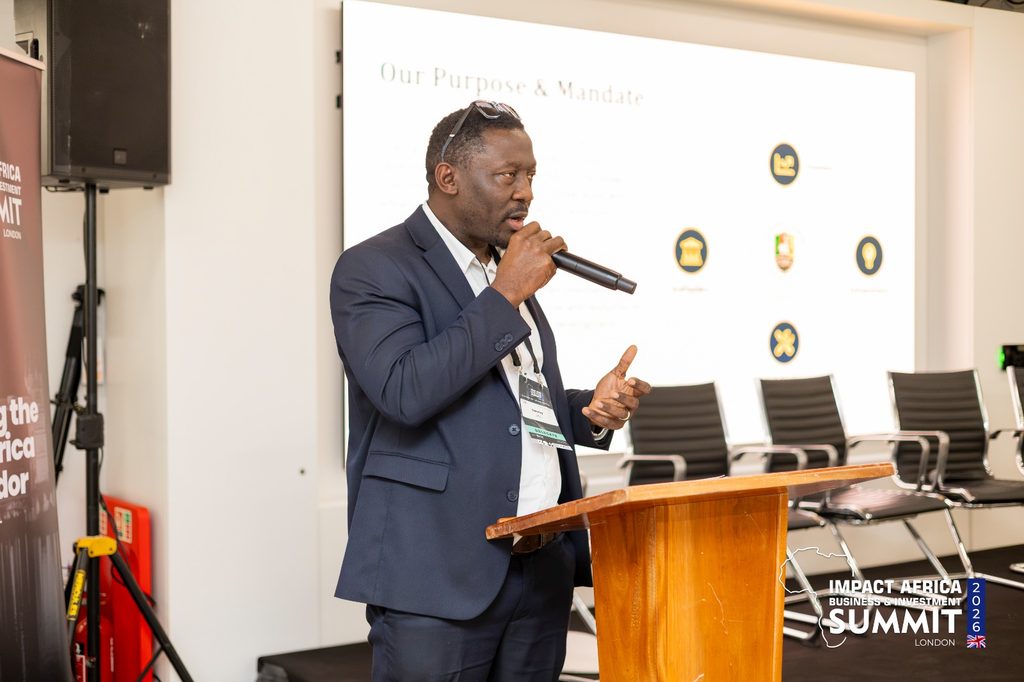
Representing CDIC and Cameroon, Stanley Enyih, President of the Cameroonian Diaspora Investment Council, delivered a presentation during the Africa Open for Business – Cameroon session. His intervention centred on an important question: how can Africans living abroad help establish the policies, partnerships and institutions needed to make diaspora investment easier, safer and more productive?

From Diaspora Participation to Diaspora Influence
For decades, Africans abroad have contributed to their countries of origin through family remittances, property purchases, education, healthcare, charitable initiatives and private business ventures. These contributions remain important, but Africa’s development ambitions require a broader approach.
Diaspora communities include engineers, doctors, researchers, entrepreneurs, manufacturers, technology specialists and executives with experience in some of the world’s most competitive economies. Their knowledge of international markets, financing, business standards and emerging technologies is an economic resource that African countries cannot afford to overlook.
During his presentation, Enyih argued that diaspora leaders must become more deliberate in their engagement with African governments. Rather than waiting for governments to announce investment incentives, organised diaspora institutions should approach relevant ministries, public agencies and diplomatic missions with carefully prepared proposals.
Those proposals should identify obstacles investors face, recommend practical policy improvements and explain how governments, communities and investors would benefit. The objective is not preferential treatment, but clear, transparent and dependable arrangements that encourage legitimate investment.
Governments and the Diaspora Must Work Together
One of CDIC’s central messages in London was the importance of structured relationships between diaspora organisations and government institutions. Embassies and high commissions are well placed to connect public authorities with qualified diaspora professionals, investors and international business networks.
Where appropriate and legally authorised, formal cooperation arrangements could support investment promotion, business information exchange, professional networking, project referrals and regular dialogue on barriers to investment. These could include memoranda of understanding or other frameworks with ministries, investment promotion agencies, embassies and high commissions.
For Cameroon, this engagement could help address recurring concerns, including access to reliable project information, administrative procedures, land and property documentation, regulatory clarity and coordination of investment enquiries. An investor who understands the rules and knows which institution to approach is better placed to make a serious commitment.
CDIC believes governments should see organised diaspora networks not simply as sources of foreign currency, but as potential partners in enterprise development, economic planning and well-structured investment initiatives.
A Council Connecting 26 Countries
With a presence spanning 26 countries, CDIC is working to bring together Cameroonians at home and abroad, alongside friends of Cameroon interested in the country’s economic and social development.
The Council seeks to create practical connections between investors, entrepreneurs, project developers, skilled professionals and institutions. Its work also encourages professional collaboration, enterprise development and access to expertise, alongside programmes with lasting community benefits.
International expansion matters when it leads to tangible results: stronger businesses, useful partnerships, better professional opportunities and projects that respond to local needs.
Manufacturing: Africa Must Capture More Value
The summit’s discussions on manufacturing and industrial development raised a fundamental issue for Africa’s economic future. The continent has agricultural resources, mineral deposits, growing consumer markets and a young population, yet substantial value is lost when raw materials are exported for processing and finished goods are imported.
Competitive local industries can create skilled jobs, strengthen supplier networks and support technology transfer. Diaspora investors and professionals can contribute through industrial partnerships, technical training, equipment procurement, market access and commercially sound manufacturing ventures.
Such investment also requires reliable electricity, transport infrastructure, financing, skilled workers and predictable regulations. For Cameroon, agricultural processing, food production, renewable energy, digital services and light manufacturing merit serious attention.
Artificial Intelligence and Africa’s Digital Future
Artificial intelligence was another important subject at the London summit. As AI influences healthcare, agriculture, manufacturing, education, financial services and public administration, African economies must develop the skills and institutions needed to participate in this technological shift.
AI alone will not resolve Africa’s development challenges. Its value depends on practical applications, digital infrastructure, appropriate data, skilled professionals and responsible governance.
Diaspora professionals working in technology, engineering and research can help through training, university partnerships, business collaboration and investment in technology enterprises. CDIC sees particular value in connecting experienced professionals abroad with young people, universities, entrepreneurs and technology initiatives in Cameroon.
Africa’s digital future should be measured not only by the technologies it imports, but also by the knowledge, businesses and solutions it develops.
Turning Investment Discussions Into Practical Projects
The London summit highlighted the importance of moving from promising ideas to investment-ready projects. Investors need credible financial assumptions, a clear business model, appropriate legal documentation, competent management, evidence of demand and a realistic assessment of risks.
This is particularly important in infrastructure, energy, agriculture and manufacturing, where projects may require substantial capital and long implementation periods. CDIC aims to support this transition by connecting project developers with professionals, prospective investors and relevant partners.
The Council’s interests include education and digital skills, agricultural enterprise, renewable energy and ventures capable of contributing to Cameroon’s economy. Employment, skills transfer, responsible business practices and benefits to surrounding communities are important measures of success alongside financial returns.
The Responsibility of African Leaders Abroad
A central message from CDIC’s participation in London is that the African diaspora must become more organised, more institutionally engaged and more ambitious in its contribution to the continent.
Africa does not lack talented people. Many of its professionals lead companies, conduct research, manage major projects and develop technologies around the world. The challenge is connecting that expertise with credible opportunities and institutions at home.
Diaspora leaders have a responsibility to organise their networks, identify shared priorities and engage governments with proposals that can be examined, improved and implemented. Governments, in turn, can establish more responsive mechanisms for diaspora engagement, improve investment procedures and create conditions in which productive businesses can succeed.
The discussions at the University of East London reinforced CDIC’s commitment to constructive engagement with public institutions, diplomatic missions, investors and development partners.
Africa’s diaspora should not remain on the sidelines of the continent’s economic decisions. It should help shape the conditions under which investment takes place, businesses grow and future generations find opportunity at home.
For the Cameroonian Diaspora Investment Council, that responsibility is central to its mission.
www.cdic-cameroon.org | Uniting the Diaspora. Building the Nation.