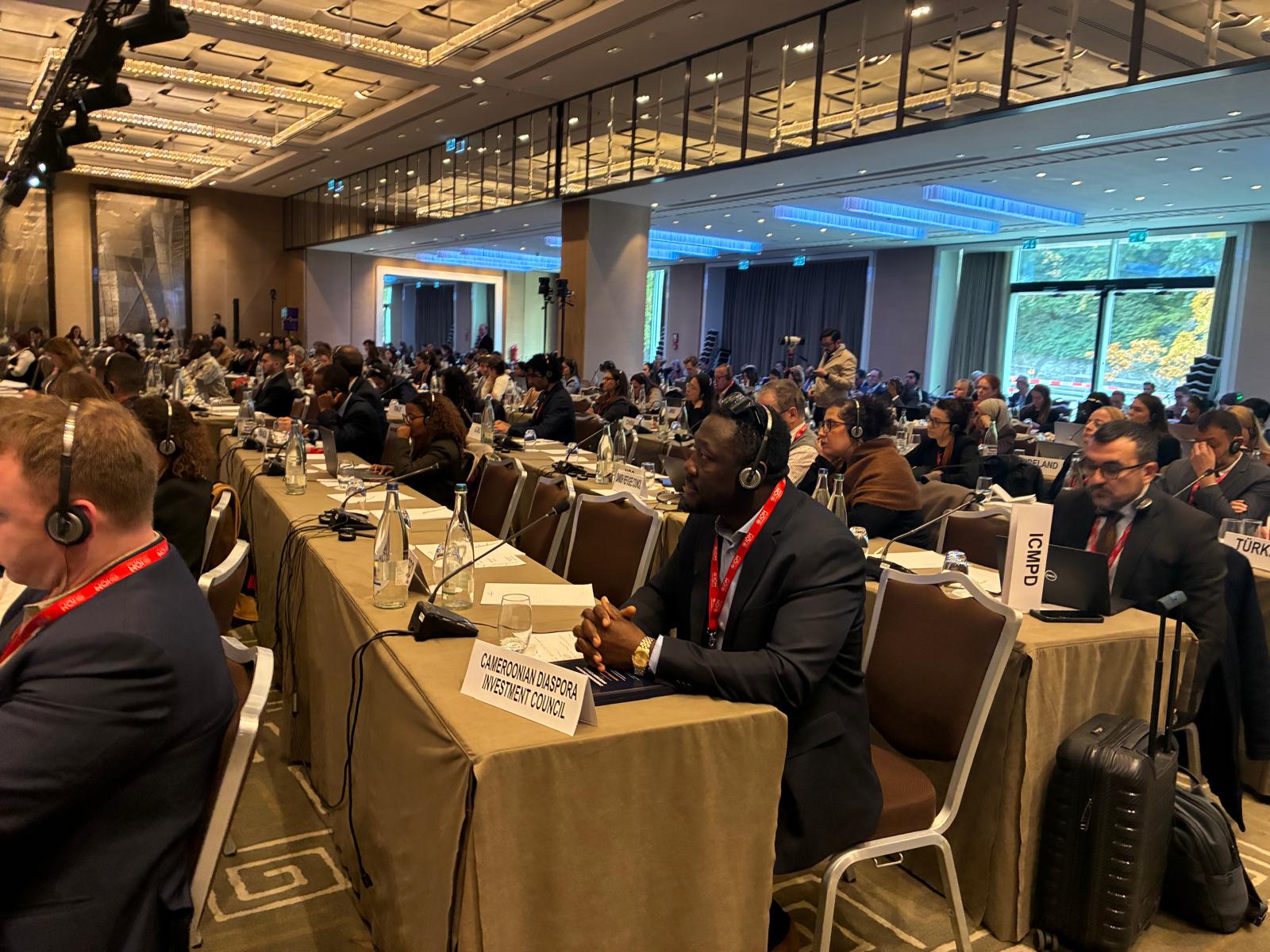
Geneva, Switzerland | 2 November 2026
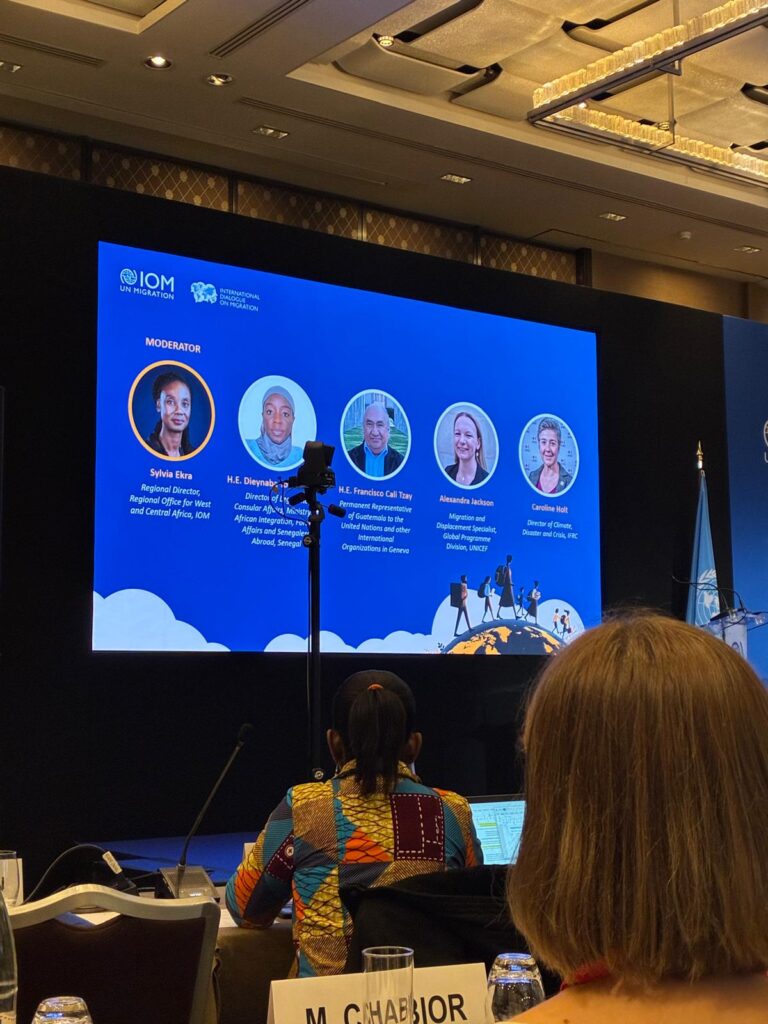
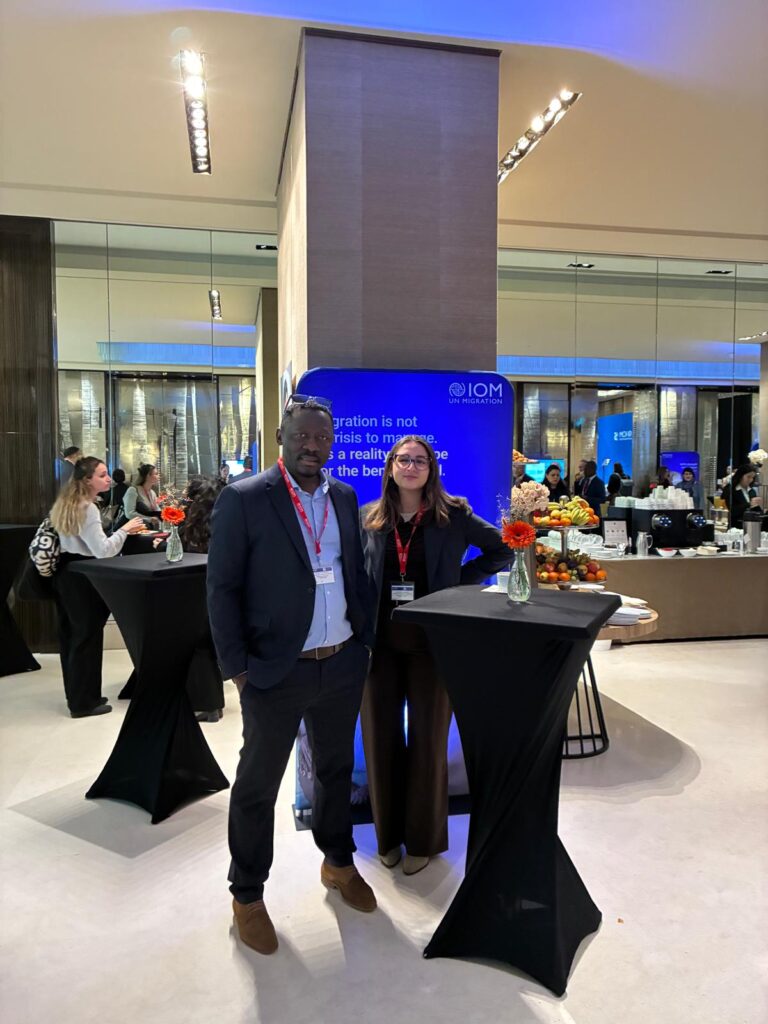
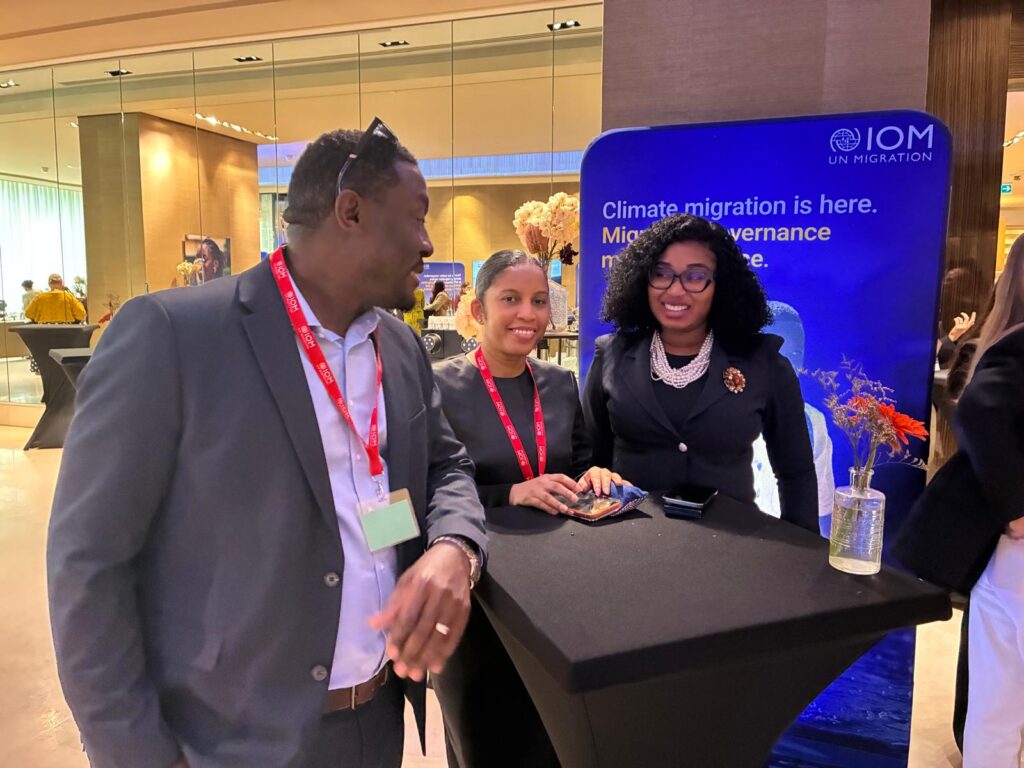
The Cameroonian Diaspora Investment Council (CDIC) participated in the International Organization for Migration’s (IOM) International Dialogue on Migration, held in Geneva on 2 November 2026, joining representatives of governments, diplomatic missions, international organisations, migration specialists and civil society in discussions on migrant protection and the challenges facing people on the move.
CDIC was represented by its President, Stanley Enyih, who brought an additional perspective to the discussions: while protecting migrants throughout their journeys remains essential, greater attention must also be given to creating meaningful economic opportunities in their countries and communities of origin.
The discussions highlighted the importance of protecting migrants in transit and destination countries, particularly vulnerable individuals and children travelling with their families. Participants examined migration-related challenges and the responsibilities of governments and international institutions in safeguarding human dignity.
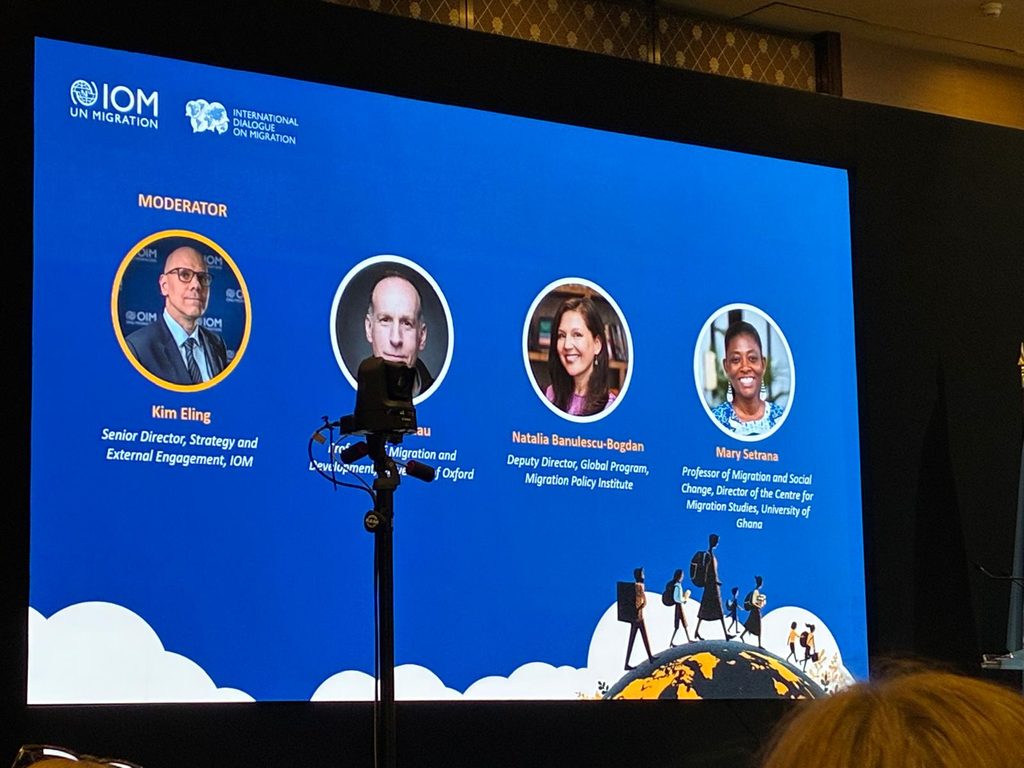
For CDIC, the dialogue also presented an opportunity to draw attention to the economic circumstances that influence migration decisions, particularly among young university graduates in Cameroon.
Protecting Migrants Must Go Hand in Hand with Creating Opportunities
Migration has long contributed to economic development, cultural exchange and international cooperation. People migrate for many reasons, including education, employment, family reunification and personal advancement.
However, when limited economic opportunities leave young people feeling that they have little prospect of building a future at home, migration can become a decision driven more by necessity than genuine choice.
Some undertake dangerous journeys across deserts and seas, exposing themselves to exploitation, trafficking and other serious risks. Others arrive in destination countries only to encounter difficulties obtaining legal residence, accessing employment or establishing stable livelihoods.
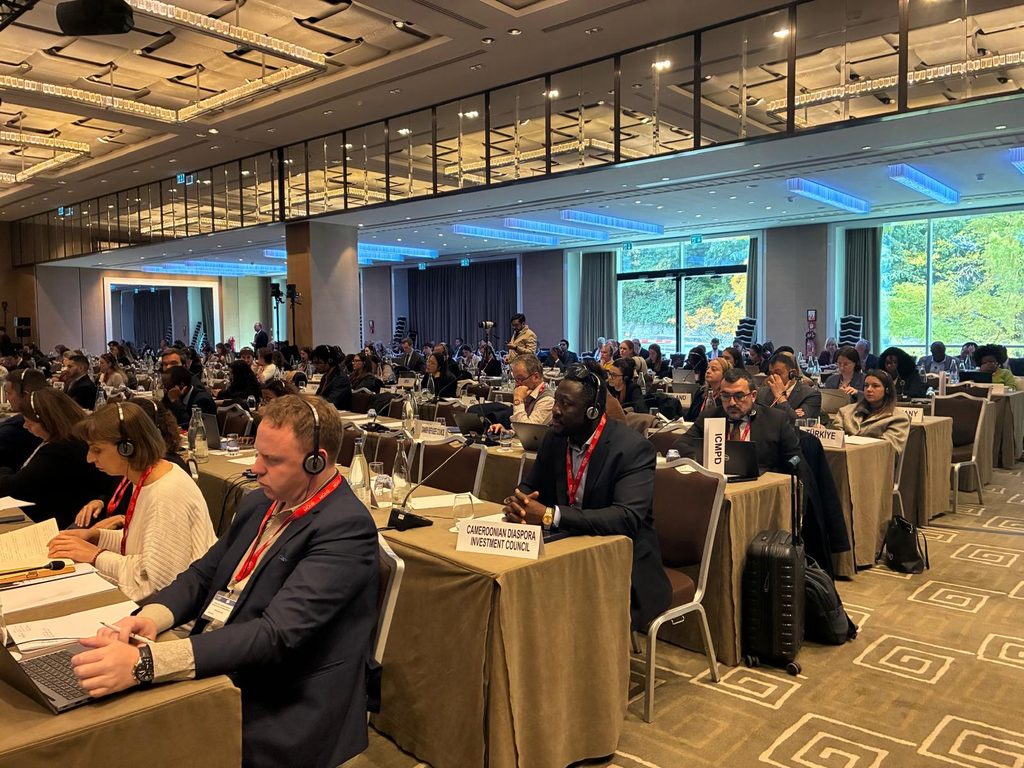
During the Geneva dialogue, CDIC’s President emphasised the importance of addressing these challenges before vulnerable individuals feel compelled to undertake unsafe journeys.
His intervention focused on the need for governments, diaspora organisations, businesses and local institutions to work together to expand employment, entrepreneurship and professional development opportunities in communities of origin.
CDIC believes that migrant protection and local economic development should be pursued together. Protecting people during migration is essential, but so is helping them access opportunities that allow them to make informed and voluntary decisions about their future.
CDIC’s Graduate Mentorship Program: A Practical Response
The Council’s contribution to the dialogue was informed by its ongoing Graduate Mentorship and Enterprise Development Program in Cameroon.
Every year, universities and higher education institutions across the country produce graduates with qualifications, ambitions and professional potential. Yet many encounter considerable difficulties securing employment, gaining practical experience or obtaining the resources needed to establish businesses.
For some, these challenges contribute to the belief that opportunities can only be found outside Cameroon.
CDIC is working to offer another pathway.
Through its international network, the Council is mobilising Cameroonian diaspora professionals and friends of Cameroon to mentor university graduates across the country.
The program is designed to understand each graduate’s qualifications, interests, ambitions and professional objectives before connecting them with suitable mentors and development opportunities.
Graduates interested in employment receive professional guidance, career development support and opportunities to build industry connections.
Those pursuing entrepreneurship are supported in developing business ideas, strengthening their management skills and preparing viable enterprises.
Where program criteria and resources permit, eligible participants may receive start-up capital, equipment or other forms of business assistance, accompanied by continued mentorship and monitoring.
The Council also seeks to connect graduates with diaspora-led projects and business initiatives that can create employment and contribute directly to their communities.
The objective is not simply to provide temporary assistance. It is to help graduates establish sustainable livelihoods, develop enterprises and eventually create opportunities for others.
Mobilising the Diaspora as a Development Partner
CDIC’s approach is founded on the conviction that the Cameroonian diaspora represents an important resource for national development.
Across Europe, North America, Africa, Asia and other regions, Cameroonian professionals have accumulated expertise in engineering, technology, finance, healthcare, education, agriculture, entrepreneurship and numerous other fields.
The Council seeks to connect this knowledge and experience with the needs of communities and businesses in Cameroon.
Through mentorship, investment facilitation, professional collaboration and enterprise development, CDIC is working to create practical channels through which Cameroonians abroad and friends of Cameroon can contribute to development at home.
The Council’s broader community development activities also include women’s economic empowerment and digital education initiatives for children in underserved communities.
These programs reflect a common principle: lasting development requires investment not only in infrastructure and businesses, but also in people.
Children and Families Must Remain Central to Migration Protection
Another important area of discussion in Geneva concerned the protection of children and families affected by migration.
Children can face particular vulnerabilities during migration, especially when families encounter unsafe routes, prolonged uncertainty, inadequate accommodation or limited access to essential services.
CDIC recognises that migration policies and protection measures must take account of children’s safety, family unity, access to education and overall well-being.
The Council believes that governments and international organisations must continue strengthening child-sensitive protection systems while addressing the conditions that place vulnerable families under economic and social pressure.
For CDIC, investment in education, women’s economic empowerment, graduate employment and local enterprise development forms part of this wider responsibility.
When families have access to stable livelihoods and children have better educational opportunities, communities become more resilient and individuals have greater freedom to make informed decisions about migration.
From International Dialogue to Practical Action
CDIC’s participation in Geneva reinforced the importance of cooperation between international institutions, governments, diaspora organisations and local communities.
The Council believes that discussions on migration should increasingly include practical measures to expand economic opportunities in countries of origin, alongside the protection of migrants and the development of safe, regular migration pathways.
Its Graduate Mentorship and Enterprise Development Program offers one approach that could inform similar initiatives elsewhere, adapted to local circumstances and supported by appropriate institutions.
CDIC will continue engaging with development organisations, public institutions, universities, businesses and professional networks interested in advancing youth employment, entrepreneurship and community development.
The Council’s message from Geneva is clear:
Protecting migrants is essential. Creating opportunities that allow people to build a future in their own communities is equally important.
Through investment, mentorship and international cooperation, CDIC remains committed to mobilising Cameroonians and friends of Cameroon worldwide for the development of Cameroon.