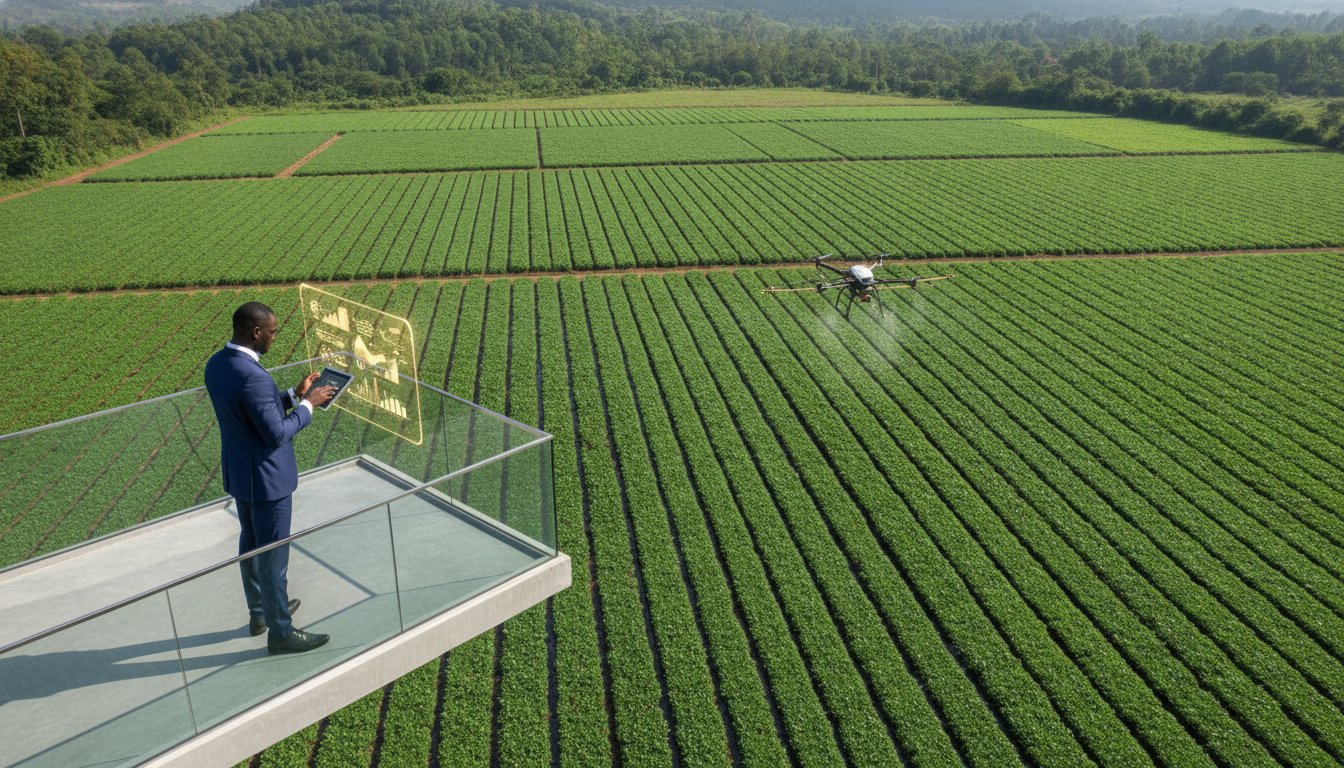
While 3.3 million people in Cameroon currently face acute food insecurity, the nation’s response has pivoted toward a sophisticated, data-driven modernization of its agricultural value chains. You likely recognize that the potential for agriculture technology investment Cameroon is vast, yet the path to realization is often obscured by bureaucratic complexity and a lack of transparent project vetting. It’s difficult to commit capital when information asymmetry remains a barrier to entry.
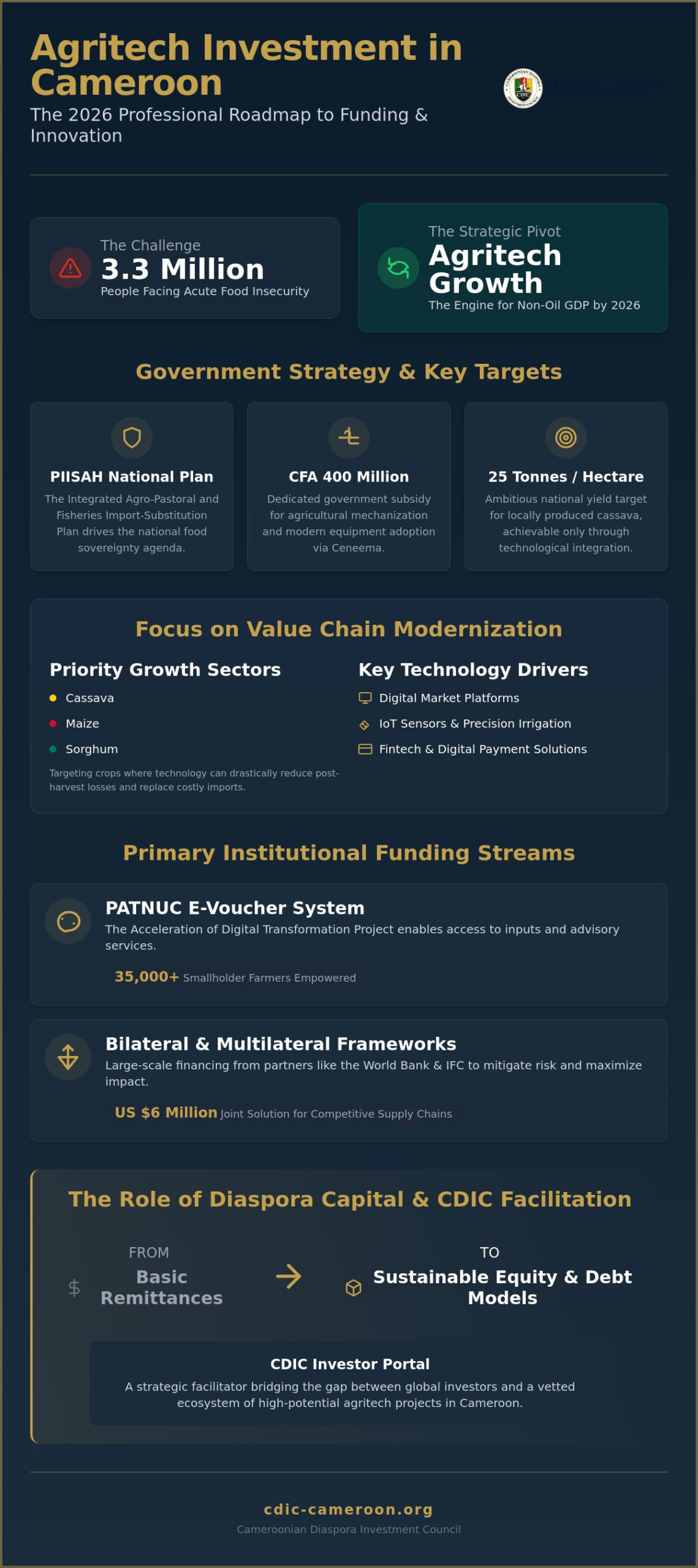
This guide serves as a professional roadmap to the most significant agritech funding opportunities and grant frameworks defining the 2026 landscape. We’ll explore the impact of the CFA400 million government subsidy for mechanization and the strategic launch of the CONVERGEFOOD Joint Programme. By understanding the eligibility requirements for these initiatives, you’ll be positioned to leverage professional networks that bridge the gap between institutional resources and vetted, high-impact innovations.
Key Takeaways
- Navigate the evolving landscape where agriculture technology investment Cameroon acts as the definitive engine for non-oil GDP growth in 2026.
- Identify sophisticated funding streams from the World Bank and IFC that utilize smart financing to lower adoption barriers for localized farmer groups.
- Transition diaspora support from basic remittances to sustainable equity and debt models by utilizing the CDIC as a strategic facilitator.
- Understand the rigorous documentation and eligibility standards required to align your project with national development and transparency frameworks.
- Utilize the CDIC Investor Portal to access a vetted ecosystem of high-potential agritech projects matched with global investment opportunities.
The Evolution of Agritech Investment in Cameroon (2026)
The 2026 fiscal year marks a decisive pivot in Cameroon’s economic strategy. As the government actively implements the Integrated Agro-Pastoral and Fisheries Import-Substitution Plan (PIISAH), agriculture has emerged as the primary engine for non-oil GDP growth. This transition isn’t merely about increasing raw output. It represents a fundamental shift from subsistence farming to sophisticated, market-oriented value chains. Understanding the current state of agriculture in Cameroon reveals a sector ripe for disruption through targeted technological integration and institutional support.
The scope of agriculture technology investment Cameroon now spans a broad spectrum, ranging from the CFA400 million investment in mechanization through Ceneema to the proliferation of digital market platforms. These tools are the essential catalysts required to meet Vision 2035 development goals. They transform the sector from a traditional labor sink into a high-efficiency economic powerhouse. With 3.3 million people currently experiencing acute food insecurity, the urgency to modernize isn’t just an economic preference; it’s a national mandate to ensure stability and growth.
Digital Innovation and Market Connectivity
Smallholder productivity often suffers from a lack of transparency and information asymmetry. Real-time data now allows farmers to access current market prices, reducing the exploitation by intermediaries and ensuring fairer returns on labor. While structural barriers like rural connectivity persist, the 2026 landscape shows progress through expanded digital literacy initiatives and public-private infrastructure projects. This shift is supported by the availability of high-performance mobile hardware and protective accessories from providers like mydevia.ca, ensuring devices remain functional in rugged field conditions. Agritech 2.0 in Cameroon is the seamless integration of IoT sensors and fintech solutions to create a transparent, bankable agricultural ecosystem.
The Strategic Importance of Value Chain Modernization
Investors are increasingly targeting priority sectors such as cassava, maize, and sorghum. These crops represent high-growth targets because technology can drastically reduce post-harvest losses, which have historically hindered export potential. For enterprises navigating the complexities of international trade, ICAT Detroit provides the precision logistics needed for time-critical and high-value cargo. Mechanized processing does more than just speed up production. It creates inclusive, off-farm jobs in rural areas, strengthening the entire social fabric and providing a path for youth employment. Cameroon is currently targeting a yield of 25 tonnes per hectare for locally produced cassava. This ambitious goal is only achievable through the strategic application of modern inputs, precision irrigation, and advanced processing technology. By focusing on these specific value chains, the nation moves toward a self-sustaining model that replaces costly imports with high-quality local production.
Primary Institutional Funding Streams and Grant Programs
The mobilization of capital for agriculture technology investment Cameroon is increasingly structured around robust, multilateral frameworks designed to mitigate risk while maximizing social impact. These funding streams represent a shift toward institutionalized support, where transparency and scalability are the primary metrics for success. For investors and project developers, understanding these mechanisms is the first step toward securing sustainable growth in the 2026 fiscal landscape.
The PATNUC E-Voucher System and Innovation Challenges
The Acceleration of the Digital Transformation of Cameroon Project (PATNUC) continues to redefine how resources reach the ground. By 2026, the project has successfully scaled its e-voucher distribution system, enabling more than 35,000 smallholder farmers to access improved inputs and digital advisory services. This digital infrastructure serves as a foundation for the Agritech Innovation Challenge, an initiative that connects early stage startups with the capital needed to deploy locally-tested solutions. Eligibility for these grants in 2026 requires more than just technical novelty. Innovators must demonstrate a clear path to integration within existing rural networks and show how their technology addresses specific bottlenecks in the national supply chain.
Bilateral and Multilateral Support Frameworks
Large scale financing often flows through partnerships between the Cameroonian government and international bodies like the World Bank and the IFC. A prominent example is the joint US $6 million solution targeting competitive supply chains, which provides the liquidity necessary for cooperatives to adopt modern processing technologies. These funds are frequently disbursed through local banking networks, including BICEC, which act as intermediaries to ensure that credit reaches vetted project developers. Monitoring and evaluation remain rigorous; institutional grants now employ data-driven frameworks to measure economic impact, environmental sustainability, and the creation of rural employment.
The government also provides specific incentives under the Integrated Agro-Pastoral and Fisheries Import-Substitution Plan (PIISAH). These include targeted subsidies, such as the CFA400 million awarded to Ceneema in April 2026 for agricultural mechanization, and price reductions for essential inputs through programs like PARPAC. Navigating these complex institutional requirements can be daunting for individual investors. Engaging with a strategic partner like the CDIC can help bridge the gap between high-level policy and practical project implementation, ensuring that your investment aligns with both national priorities and institutional standards.
The Role of Diaspora Capital and NGO Facilitation
The transition from passive remittances to active capital deployment represents the next frontier for the Cameroonian diaspora. While financial contributions to family households remain vital, the 2026 economic environment demands a shift toward sustainable equity and debt investment. This evolution allows the global community to move beyond consumption support, instead fueling the high-growth potential of agriculture technology investment Cameroon. By centralizing these efforts through a professional NGO framework, investors can bypass the structural information asymmetries that often plague cross-border ventures.
Collective ambition is the primary driver here. Leveraging the global Cameroonian professional network creates a unique synergy where international expertise meets local opportunity. This isn’t merely about capital; it’s about the transfer of knowledge, the implementation of global best practices, and the fostering of humanitarian-aligned initiatives that prioritize community development. When diaspora professionals act as strategic partners, they provide the stability and institutional confidence necessary to scale agritech solutions across the nation’s diverse agro-ecological zones.
Bridging the Gap: The CDIC Ambassador Program
The CDIC Ambassador Program functions as a sophisticated vetting mechanism that identifies high-impact agricultural opportunities across the globe. These ambassadors serve as the essential link between European or North American agritech providers and the specific needs of Cameroonian farmers. They ensure that every project meets rigorous standards for transparency and feasibility before it reaches the investment phase. For those looking to join this professional network, Empowering the Vision: The Definitive Guide to Cameroon Diaspora Membership (2026) provides a comprehensive breakdown of how to engage with these strategic alliances.
Project Development Support for Entrepreneurs
Turning a conceptual agritech idea into an investment-ready project requires more than just technical skill; it requires a deep understanding of the local regulatory landscape. Many entrepreneurs struggle with the transition from a pilot phase to a full-scale commercial operation due to bureaucratic hurdles. Professional facilitation helps navigate these complexities, ensuring that projects align with national growth strategies and employment goals. Local stakeholder engagement is critical during this phase. By involving community leaders and farmer groups early in the development process, project developers can ensure long-term viability and social acceptance, transforming a simple business idea into a cornerstone of regional development.
Navigating the Application Process for Agricultural Grants
Securing institutional backing for agritech ventures requires a methodical transition from a bold vision to a structured, bankable proposal. It’s not enough to possess a disruptive technology; you must prove its systemic value within the broader national framework. For those pursuing agriculture technology investment Cameroon, the application process is a rigorous exercise in transparency that rewards professional preparation and strategic alignment. Institutional trust isn’t granted; it’s built through the meticulous presentation of data and a clear understanding of local regulatory requirements.
Risk mitigation remains the primary concern for the diaspora. Addressing the common objection regarding the “transparency gap” requires a commitment to international standards of due diligence. By ensuring every project meets these high benchmarks, you transform a perceived high-risk venture into a credible opportunity for sustainable growth. This professionalization of the sector is what allows projects to move from pilot phases to large-scale, multi-year funding commitments from multilateral partners.
Strategic Alignment with Vision 2035
Successful applicants frame their projects as essential contributors to national food security and import substitution. Whether your focus is on precision irrigation or digital market access, your proposal must identify the correct supervising entity, such as the Ministry of Agriculture and Rural Development (MINADER), to ensure administrative harmony. Securing these grants requires a multi-faceted approach that balances technical feasibility with documented socio-economic impact and environmental stewardship. By aligning your objectives with the 2026 Integrated Agro-Pastoral Plan, you position your project as a solution to the acute food insecurity currently affecting millions in the northern and eastern regions.
The Vetting Process and Professional Standards
Navigating the documentation phase is where many promising initiatives falter. Common pitfalls include a lack of localized market data or a failure to engage with verified stakeholders early in the process. Utilizing the CDIC Service Provider Portal allows you to connect with vetted local consultants who understand the nuances of Cameroonian administrative law and project management. These professionals provide the essential due diligence required to satisfy institutional donors and private equity partners alike. Comprehensive data is your most powerful tool in this phase; it provides the evidence-based foundation needed to secure institutional trust and long-term financial stability. If you’re ready to move your project into the execution phase, you should register as a Project Developer to begin the formal vetting process and access our network of strategic facilitators.
Strategic Engagement through the CDIC Investor Portal
The transition from strategic planning to capital deployment finds its most effective expression within the CDIC Investor Portal. This centralized hub serves as the definitive mechanism for agriculture technology investment Cameroon, providing a transparent environment where diaspora capital meets rigorously vetted agricultural projects. By consolidating these opportunities, the portal effectively bridges the information gap that has historically hindered large-scale development. It offers more than just a list of ventures; it provides a sophisticated ecosystem designed for institutional governance and systemic growth.
Transparency is the cornerstone of this platform. Investors gain access to real-time statistics and comprehensive reporting tools that track the tangible impact of their contributions on local communities. This data-driven approach ensures that every investment is accountable, measurable, and aligned with the national import-substitution strategy. Whether you’re an individual looking to support a specific value chain or a corporation seeking a strategic entry point, the portal provides the clarity necessary for long-term commitment. It’s a tool for risk mitigation that transforms potential into documented progress.
Exclusive Access for Corporate Members
Corporate Membership offers an elevated tier of engagement for entities looking to influence the nation’s agricultural infrastructure. These members benefit from exclusive B2B networking opportunities, allowing for strategic alliances that can scale innovations across multiple regions. Leveraging the CDIC’s institutional gravity, corporate investors can participate in large-scale projects that might be inaccessible to individual actors. Specialized market intelligence reports, tailored to the 2026 economic climate, provide the insights needed to navigate emerging trends in the cassava, maize, and dairy sectors. This level of access transforms a simple investment into a partnership for national progress.
Taking Action: From Membership to Impact
Realizing the potential of Cameroon’s agritech sector requires a proactive step toward formal engagement. The registration process for the Investor Portal is streamlined to ensure that vetted capital is matched with high-potential project developers and service providers without unnecessary delay. For those on the ground, registering as a Project Developer or a Service Provider in 2026 remains the primary path to visibility within this global network. This matching process isn’t random; it’s a methodical alignment of resources, expertise, and local need. By joining this network, you aren’t just funding a business; you’re participating in a collective ambition to secure the nation’s food future and economic sovereignty. It’s time to move beyond observation and become a catalyst for realization. Join the CDIC and invest in Cameroon’s future today.
Empowering the Next Frontier of Agricultural Prosperity
The landscape of 2026 presents a definitive moment for agriculture technology investment Cameroon. We’ve moved beyond traditional subsistence models toward a future defined by digital connectivity and mechanized efficiency. Success in this sector requires more than capital; it demands a commitment to institutional transparency and strategic alignment with Vision 2035 development goals. By navigating the current grant frameworks and institutional funding streams, you position your resources at the center of a national transformation.
The CDIC stands as a mission-driven NGO and a sophisticated facilitator of this growth. Every project within our ecosystem is rigorously vetted by a global network of CDIC Ambassadors to ensure it meets international standards of due diligence. This structured approach mitigates risk and fosters the collective ambition necessary for systemic impact. It’s time to transition from observation to active participation in the modernization of our heritage.
Register for the CDIC Investor Portal to explore vetted agritech opportunities and join a professional network dedicated to realizing Cameroon’s immense agricultural potential. Together, we can build a resilient, tech-enabled future.
Frequently Asked Questions
What are the most promising agritech sectors for investment in Cameroon for 2026?
The most promising sectors for 2026 include mechanized value chain processing for cassava and maize, along with digital market platforms that facilitate price transparency. These sectors align with the government’s import-substitution strategy, offering high potential for agriculture technology investment Cameroon. Investors are also finding significant opportunities in precision irrigation and cold-chain logistics to reduce post-harvest losses in the northern and eastern regions where food insecurity remains a critical challenge.
How can the Cameroonian diaspora access PATNUC-supported grants?
Diaspora members can access PATNUC-supported grants by submitting proposals that demonstrate a clear contribution to the digital inclusion of rural smallholders. These applications are typically managed through competitive calls for projects that prioritize tech-enabled solutions for market access and digital literacy. It’s essential to partner with local cooperatives to ensure that the proposed technology addresses real-world structural barriers within the Cameroonian agricultural ecosystem while meeting institutional transparency requirements.
What is the difference between a project developer and a service provider on the CDIC portal?
A project developer is the primary entity responsible for conceptualizing and managing an agricultural venture, while a service provider offers specialized technical or professional support. On the CDIC portal, developers list vetted opportunities for matching with capital, whereas service providers list their expertise in areas like agronomy, legal compliance, or irrigation engineering. This distinction ensures that every investment is supported by both a visionary leader and a competent technical team for execution.
Are there specific grants available for women-led agritech startups in Cameroon?
Specific grants and low-interest credit lines are available for women-led agritech startups through programs like the Global Agriculture and Food Security Program (GAFSP). These initiatives recognize that empowering women in the agricultural value chain is a primary driver of poverty reduction and community stability. Applicants must typically demonstrate how their technology specifically benefits female smallholders or creates inclusive employment opportunities within rural communities to qualify for these specialized funding streams.
How does the CDIC vet agricultural projects for diaspora investors?
The CDIC employs a rigorous vetting process that utilizes a global network of ambassadors and local service providers to conduct on-the-ground due diligence. This methodology includes verifying land titles, assessing technical feasibility, and ensuring financial transparency for every agriculture technology investment Cameroon. By centralizing this vetting, we mitigate the risks associated with information asymmetry and provide diaspora investors with the institutional confidence needed to commit capital to long-term projects.
What role does the World Bank play in Cameroon’s digital agricultural transformation?
The World Bank serves as a primary institutional partner by providing the large-scale financing and strategic framework necessary for digital agricultural transformation. Through initiatives like the PATNUC project, the Bank facilitates the rollout of e-vouchers and the expansion of rural broadband infrastructure. This institutional support lowers the entry barriers for private investors by creating a more stable and technologically accessible environment for agricultural development across the nation’s diverse regions.
Can individual diaspora members invest in large-scale value chain modernization?
Individual diaspora members can participate in large-scale value chain modernization by leveraging investment syndicates and tiered membership structures within the CDIC portal. This collective approach allows individuals to pool capital, gaining access to high-impact projects that would otherwise require institutional-level funding. It’s a strategic way to contribute to national development while benefiting from the risk mitigation and professional oversight provided by a structured, mission-driven NGO framework.
What documentation is required to register on the CDIC Investor Portal?
Registration on the CDIC Investor Portal requires valid identification, professional credentials, and documentation verifying your diaspora status or corporate standing. Corporate entities must submit their certificates of incorporation and proof of compliance with international financial standards. This documentation is essential for maintaining the integrity of our professional network and ensuring that all participants are committed to a transparent, ethical, and mission-driven investment process for Cameroon’s future.